Eligard (leuprorelin acetate) | For UK Healthcare Professionals


This promotional website has been developed and funded by Recordati Pharmaceuticals Ltd and is only intended for healthcare professionals based in the UK.
Prescribing Information (PI) and Adverse Event (AE) Reporting Information can be accessed via the link found at the bottom of this page.

DISCOVER ELIGARD’S EFFICACY AND TOLERABILITY DATA

Proven long-term

efficacy and tolerability

Over 20 years

of clinical use worldwide1-6

ELIGARD (leuprorelin acetate) is indicated for the treatment of hormone dependent advanced prostate cancer and for the treatment of high-risk localised and locally advanced hormone dependent prostate cancer in combination with radiotherapy.1

Asset 7

PROFOUND
SUPPRESSION2

Asset 8

PROVEN LONG-TERM
EFFICACY1

Asset 9

NO REPORTED DRUG
INTERACTIONS1

Asset 10

DECADES OF
EXPERIENCE1-6

Maintaining testosterone levels
with ELIGARD 3 and 6 month doses2   

ELIGARD profoundly suppresses testosterone
to levels associated with improved outcomes*2,7

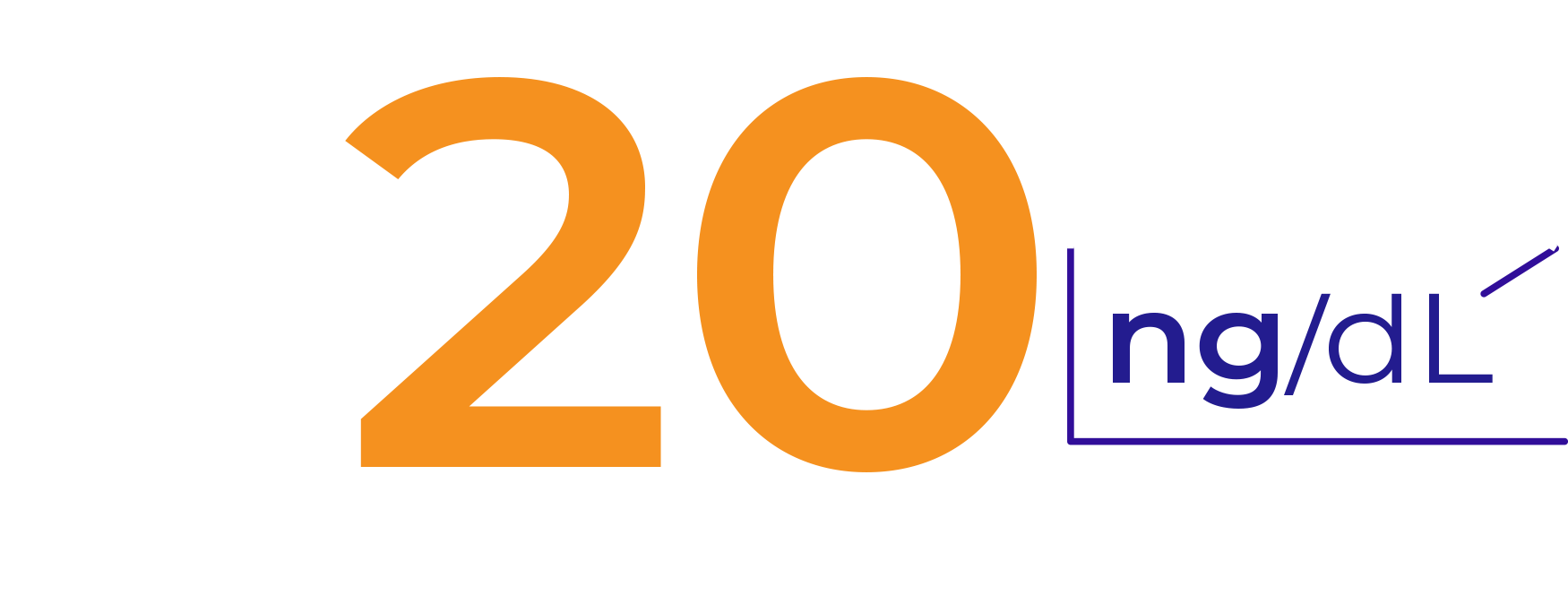
ELIGARD 22.5 mg achieved profound suppression of testosterone (≤20 ng/dL) in 94% of patients at 6 months5
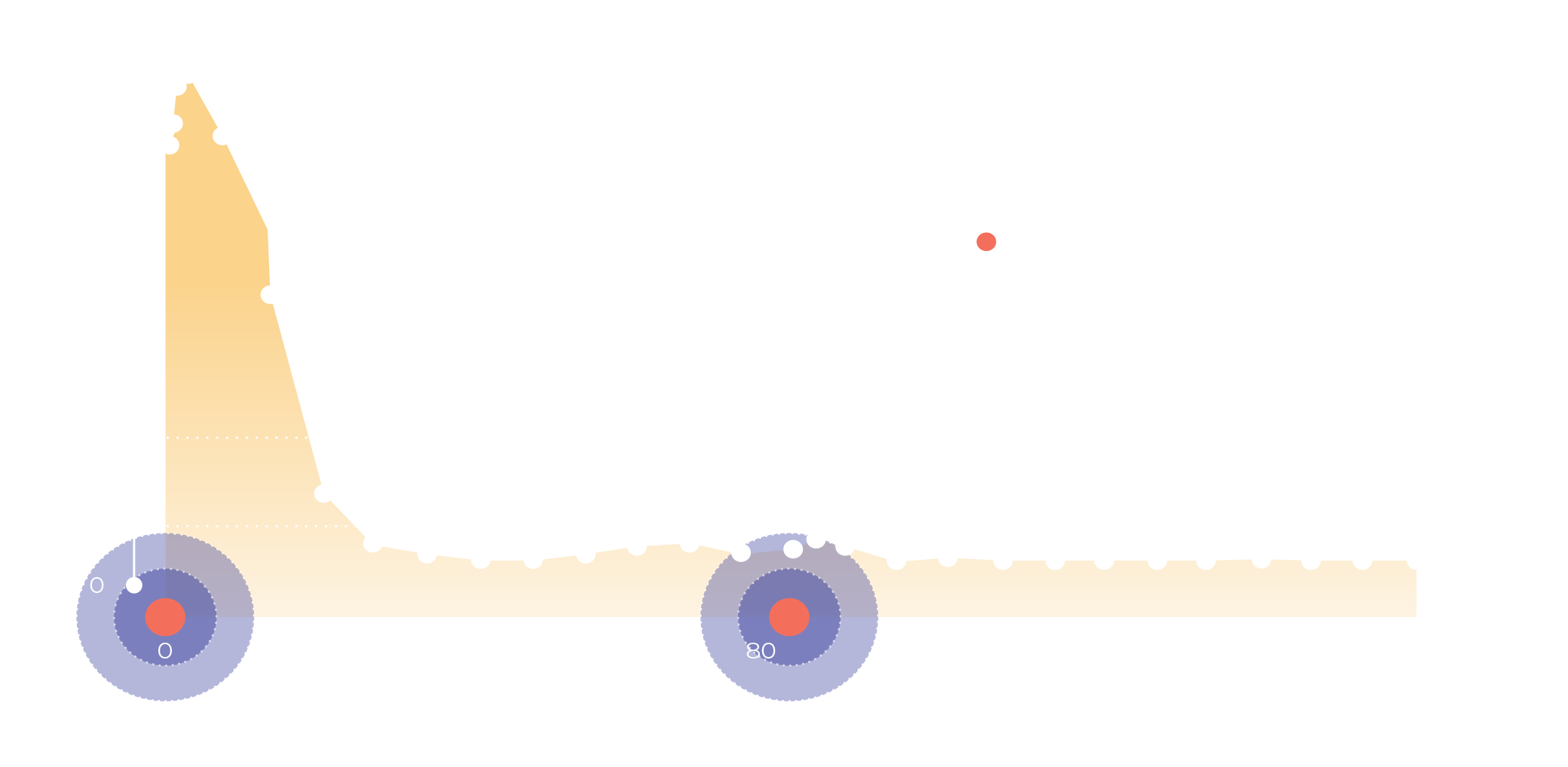
An open label, non-comparative, 6-month multicentre study that enrolled 117 patients diagnosed with adenocarcinoma of the prostate. The primary efficacy outcome was achieving testosterone concentrations within the medical castrate range (50 ng/dL or less) for at least 2 consecutive measurements approximately 1 week apart.5

ELIGARD 45 mg achieved profound suppression of testosterone (≤20 ng/dL) in 88% of patients6
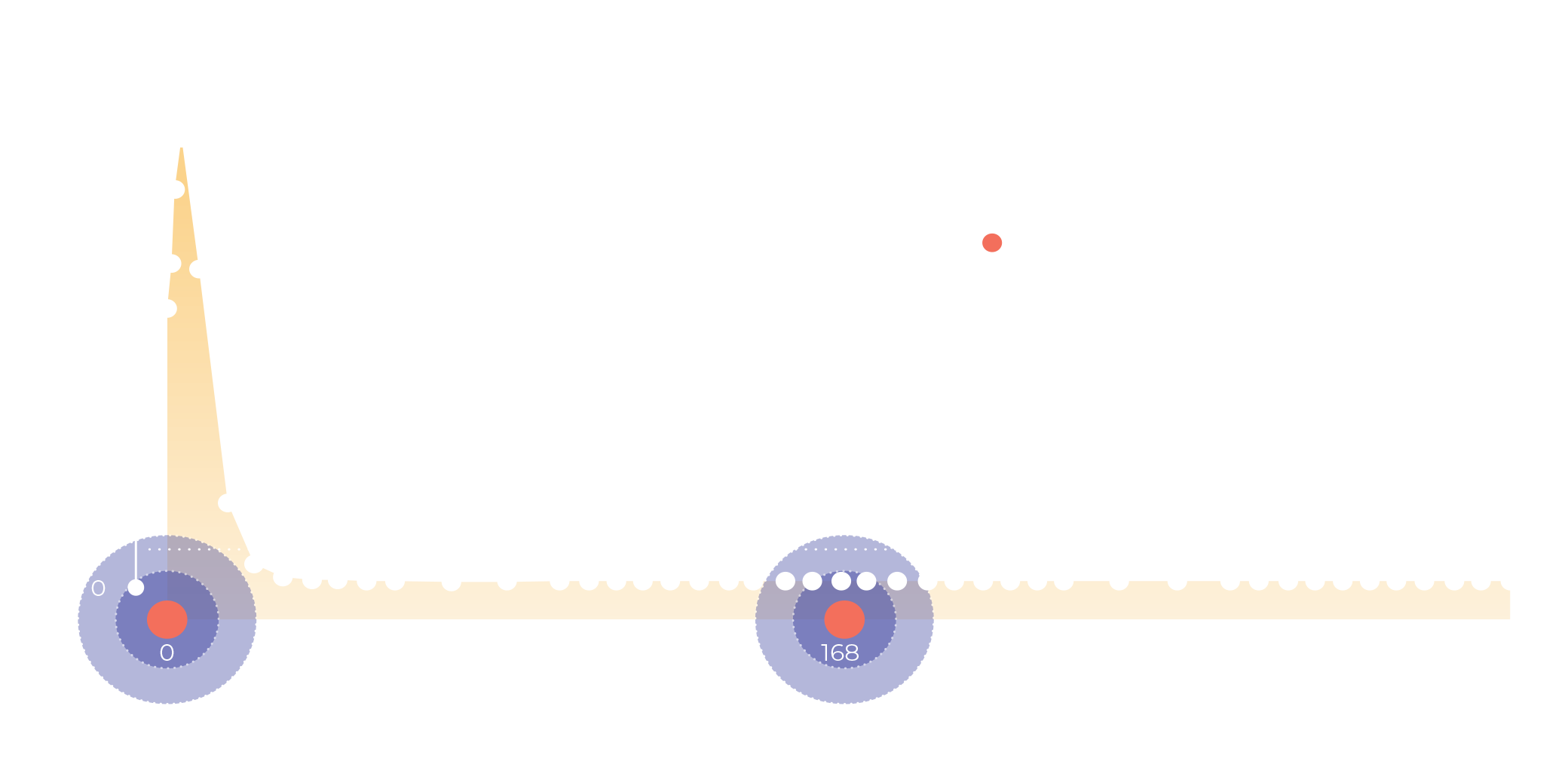
12-month, open label, multicentre study in 111 patients with adenocarcinoma of the prostate. The primary efficacy parameter was serum testosterone to 50 ng/dL or less on at least 2 consecutive measurements taken 1 week apart.6

ELIGARD 1-month achieved profound suppression of testosterone (≤20 ng/dL) in 97.5% of patients4

1 Month Graph

ELIGARD 3-month achieved profound suppression of testosterone (≤20 ng/dL) in 94% of patients5

3 Month Graph

ELIGARD 6-month achieved profound suppression of testosterone (≤20 ng/dL) in 88% of patients6

6 Month Graph

ELIGARD maintains testosterone levels of
≤20 ng/dL with fewer
than
1% of breakthroughs1,4–6,8

*The EAU-recommended testosterone level is <20 ng/dL.7 This definition is important as better results are repeatedly observed with lower testosterone levels compared to 50 ng/dL.2 EAU, European Association of Urology; NCCN, National Comprehensive Cancer Network; SEM, standard error of mean.

See ELIGARD’s long-term
testosterone control 

ELIGARD offers proven efficacy, year after year
For reassurance in long-term control

ELIGARD has consistently demonstrated durable and reliable long-term
testosterone suppression,4–6 a critical factor in the effective management
of advanced prostate cancer

With continuous administration of 45 mg injections ELIGARD achieved:

 At 6 months

10.4

ng/dL

(±0.53 ng/dL)

average testosterone level1,2

97%

reduction
in PSA levels1,2

 At 12 months

96%

of patients

had normalised
PSA levels2

ELIGARD has been proven in clinical trials to maintain profound testosterone suppression to surgical castration levels (≤50 ng/dL)* for up to 7 years (and presumably indefinitely).†1

Evidence shows that lowering testosterone levels to <20 ng/dL can extend time to progression and improve patient survival.9

*The EAU-recommended testosterone level is <20 ng/dL.7
This definition is important as better results are repeatedly
observed with lower testosterone levels compared to 50 ng/dL.2

†Shown in long-term studies.

EAU, European Association of Urology; PSA, prostate-specific antigen.

ELIGARD is well-tolerated

with an established safety profile

Discover ELIGARD’s
safety and tolerability

Most of the AEs
reported in clinical
trials were
mild-to-moderate4–6
No known drug interactions with ELIGARD which simplifies integration into treatment regimens*1,10

*Concomitant use of ELIGARD with medicines causing a lengthening of the QT interval or capable of inducing Torsades de pointes must be carefully evaluated.1

No treatment
discontinuations
due
to treatment-related
AEs, in clinical
studies shown here4–6
Localised injection reactions are generally mild and transient when administered correctly1

Most reported treatment-related adverse effects in separate trials of the 3-month and 6-month dosage forms*5,6

Adverse effects Patients (%) ELIGARD 3 Month (n=117)1 ELIGARD 6 Month (n=111)2
Hot flushes 59% 58%
Burning sensation at the injection site 22% 15.3%
Discomfort/fatigue 6% 11.7%
Testicular atrophy 1.7% 5.4%
Gynaecomastia 0.9% 3.6%
Dizziness 3.3% NR
Reduced libido 0.9% NR
Nausea 2.6% NR

Please consult the SmPC for a full list of possible adverse effects. Additional common (≥1/100, <1/10)/ very common (≥1/10) AEs with ELIGARD: nasopharyngitis, diarrhoea, gastroenteritis, colitis, dyspepsia, ecchymoses, erythema, pruritus, night sweats, arthralgia, pain in extremity, myalgia, urinary frequency, difficulty in micturition, dysuria, nocturia, oliguria, breast tenderness, testicular pain, infertility, erectile dysfunction, penile size reduced, injection site pain, injection site bruising, chills, asthenia, hematology changes, anaemia, blood creatinine phosphokinase increased, time coagulation prolonged.

Special warnings and precautions for use1

  • Handling errors: can occur at any step of the preparation process and could potentially result in lack of efficacy. In case of suspected error, monitor patients appropriately
  • Prolonged QT interval: assess benefit to risk ratio in patients with history or risk factors for QT prolongation and in patients receiving concomitant medications that might prolong the QT interval
  • Cardiovascular diseases: increased risk of MI, sudden cardiac death and stroke in men. Evaluate carefully alongside risk factors for cardiac events when determining treatment for prostate cancer. Monitor for signs of cardiovascular disease development and manage according to current practice
  • Transient testosterone flare: transient increase in serum concentrations of testosterone, dihydrotestosterone and acid phosphatase during first week of treatment. Patients may experience worsening or new symptoms, which usually subside on continuation of therapy
  • Bone density: decreased bone density has been reported in men who have had orchiectomy or who have been treated with GnRH agonists. Antiandrogen therapy significantly increases the risk for fractures owing to osteoporosis, with limited data available. Fractures owing to osteoporosis were observed in 5% of patients following 22 months of pharmacological androgen deprivation therapy and in 4% of patients following 5 to 10 years of treatment
  • Pituitary apoplexy: rare cases have been reported. The majority occurred within 2 weeks of the first dose, and some within the first hour. Symptoms included sudden headache, vomiting, visual changes, ophthalmoplegia, altered mental status, and sometimes cardiovascular collapse. Immediate medical attention is required
  • Metabolic changes: hyperglycemia and an increased risk of developing diabetes have been reported in men. Hyperglycemia may indicate the onset of diabetes mellitus or worsening of glycemic control in patients with diabetes. Monitor blood glucose and/or HbA1c periodically. Metabolic changes may also include fatty liver disease
  • Convulsions: convulsions have been observed in patients on leuprorelin acetate therapy with or without a history of predisposing factors. Convulsions are to be managed according to the current clinical practice
  • Idiopathic intracranial hypertension: has been reported in patients receiving leuprorelin. Patients should be warned for signs and symptoms, including severe or recurrent headache, vision disturbances and tinnitus. If occurs, discontinuation of leuprorelin should be considered
  • Severe cutaneous adverse reactions (SCARs): SCARs including Stevens-Johnson syndrome, and toxic epidermal necrolysis which can be life threatening or fatal, have been reported in association with leuprorelin treatment. At the time of prescription patients should be advised of the signs and symptoms and monitored closely for severe skin reactions. If signs and symptoms suggestive of these reactions appear, leuprorelin should be withdrawn immediately and an alternative treatment considered (as appropriate)
  • Other events: cases of ureteral obstruction and spinal cord compression, which may contribute to paralysis with or without fatal complications, have been reported with GnRH agonists. If spinal cord compression or renal impairment develops, standard treatment of these complications should be instituted. Patients with vertebral and/or brain metastases as well as patients with urinary tract obstruction should be closely monitored during the first few weeks of therapy
Contraindications1
  • Women and paediatric patients
  • Patients with hypersensitivity to leuprorelin acetate, other GnRH agonists or any of the excipients
  • Patients who previously underwent orchiectomy
  • As sole treatment in patients with prostate cancer with spinal cord compression or evidence of spinal metastases

With ELIGARD, you can confidently prescribe an ADT

ADT, androgen deprivation therapy; AE, adverse event; GnRH, gonadotropin
releasing hormone; LHRH, luteinising hormone-releasing hormone; SmPC, Summary of Product Characteristics.

ELIGARD has over 20 years of clinical use demonstrating its efficacy and safety profile1–6
Proven efficacy and safety data from over 17 published global clinical trials and real-world experience2-6,11
Proven to suppress testosterone in clinical studies independent of age and body weight12