RELY ON ELIGARD’S CONTROL
depot formulation
minimises breakthroughs associated with the risk of potential progression*1,2
ELIGARD (leuprorelin acetate) is indicated for the treatment of hormone dependent advanced prostate cancer and for the treatment of high-risk localised and locally advanced hormone dependent prostate cancer in combination with radiotherapy.1
CONTROLLED AND
SUSTAINED RELEASE2
LESS THAN 1%
BREAKTHROUGHS2
GREATER LIKELIHOOD OF
TREATMENT ADHERENCE VS ORAL THERAPIES2
*The EAU-recommended testosterone level is <20 ng/dL.3 This definition is important as better results are repeatedly observed with lower testosterone levels compared to 50 ng/dL.3,4
ELIGARD offers controlled and sustained release
of leuprorelin acetate between injections2
Not all ADT formulations
are the same:
different administration technologies can significantly alter pharmacokinetics and effectiveness5
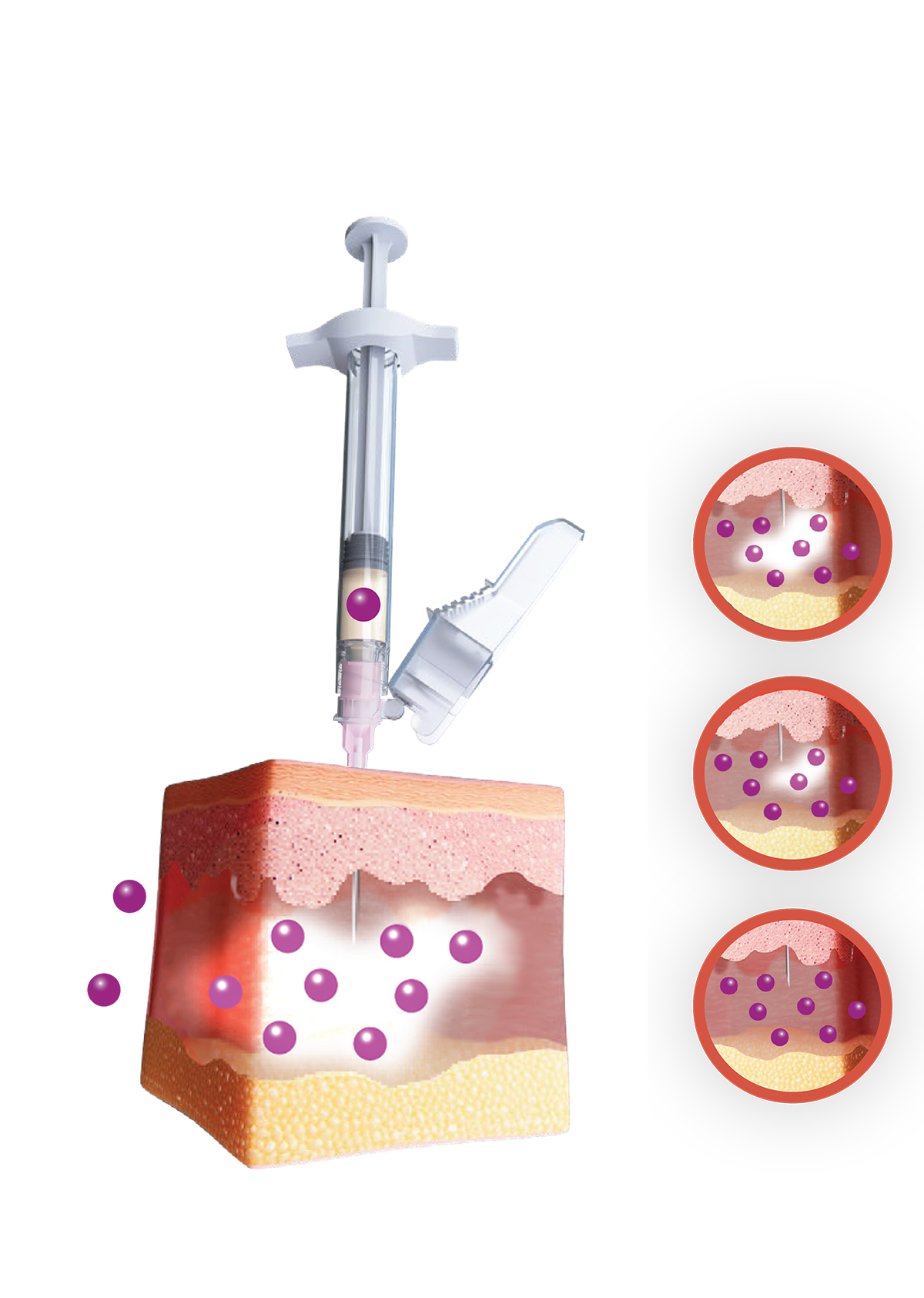
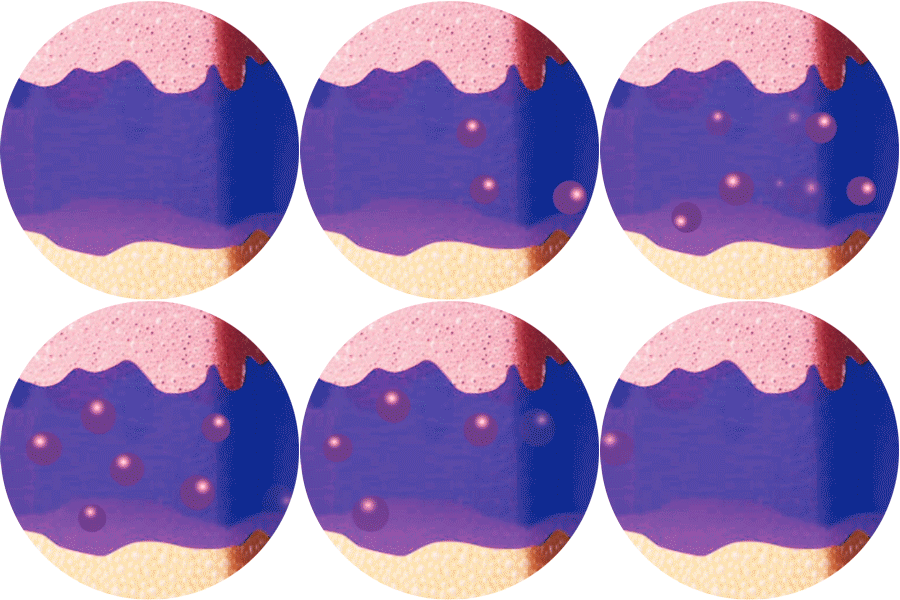
ELIGARD Atrigel™ technology consists of a soluble polymer that ensures a sustained and stable release of leuprorelin2
Subcutaneous injection
The polymer solidifies on
contact with water molecules
in the dermis and forms a
solid in-situ depot
ELIGARD AtrigelTM provides reliability
for you and your patients:
Testosterone levels maintained below 20ng/dL are associated with delayed onset of CRPC2,4,6-8
By maintaining testosterone levels associated with improved patient outcomes*
Testosterone suppression that extends beyond the dosing period†9
Supporting flexibility in injection scheduling10
Subcutaneous injections
lasting 3 and 6 months2
Consistent, sustained effectiveness – with the flexibility to choose the appropriate dosing interval for your patient2,11
*The EAU-recommended testosterone level is <20 ng/dL.3 This definition is important as better results are repeatedly observed with lower testosterone levels compared to 50 ng/dL.4
†Based on a pharmacokinetic/pharmacodynamic study with 1-monthly dosing in 32 healthy men.9
ADT, androgen deprivation therapy; EAU, European Association of Urology; CRPC, castrate-resistant prostate cancer.
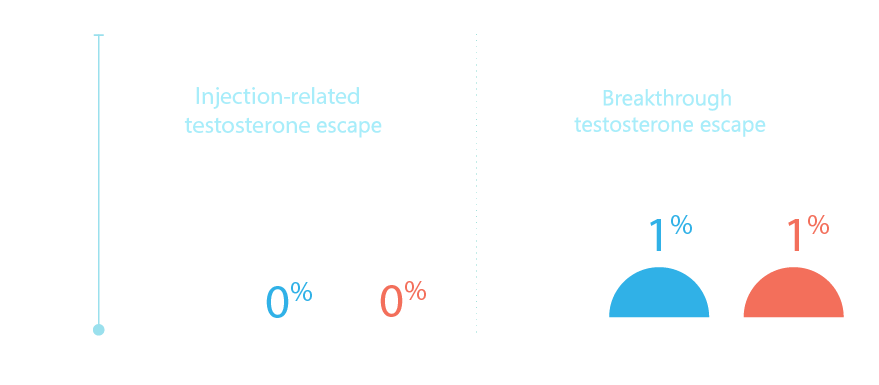
Long-term control with no breakthroughs in over 99% of patients2
Testosterone breakthroughs have been associated with an increased risk of disease progression2
Once achieved, castration levels were maintained throughout the treatment with ELIGARD (testosterone breakthroughs in <1% of patients)2
Adapted from Tombal B, 2007.2
The 1-month formulation of Eligard is not marketed in the United Kingdom.
ELIGARD provides testosterone
suppression to <20 ng/dL with
<1% of breakthroughs1,2,12–14
Consider the importance of treatment adherence
for your prostate cancer patients:
25-51%
mean
non-adherence
rates
Mean non-adherence rates of 25‑51% were reported among prostate cancer patients receiving oral therapies15
Literature review of 4 studies reporting real‑world adherence to prostate cancer medications.15
More than
40%
of men
over 65
More than 40% of men
over 65 had poor or
very poor adherence to
prescribed oral ADT16
Clinical cohort of incident prostate cancer linked to the Swedish Prescribed Drug Register. 1406 men with a planned first line monotherapy anti-androgen treatment were identified. Factors potentially influencing adherence were explored using the medical possession ratio based on the individual prescribed daily dose.16
Injections may offer a distinct advantage
over oral medications in patients where
adherence is a potential concern17
ADT, androgen deprivation therapy.